IMMUNITY IN PRACTICE
Omega 3 fatty acids are part of the poly-unsaturated fatty acid family and have been described as an immune enhancer for decades. Thus, water on the fire.
Question 1:
Is omega 3 the only fatty acid involved in enhancing immune health?
Answer 1:
| Saturated fatty acids | Omega 6 poly-unsaturated fatty acids | Omega 3 poly-unsaturated fatty acids | Omega 9 fatty acids (mono-unsaturated fatty acids) | |
| Food sources | Red meat, skin of chicken, full cream milk and -products e.g. cheese, cream etc. | Sunflower, safflower, corn, soybean and peanut oil and -products
Milk fat |
Cold water fish, fish oil, krill oil, walnuts, walnut oil, flax seeds, flaxseed oil, pumpkin seeds, pumpkin seed oil, soybeans oil | Olive oil, -products, avocado and nuts |
| Effect on inflammation | Pro-inflammatory | Pro-inflammatory | Anti-inflammatory | Anti-inflammatory |
| Effect on cytokine release | Increase IL-1 family of cytokines (IL-1B & IL-18) | Increase IL-1, TNF, IL-6
|
Decrease IL-1, il-6 | Decrease IL-1 |
Omega 9 fatty acids (mono-unsaturated fatty acids) also have an immune enhancing effect.
Question 2:
What are the practical dietary implications of the above-mentioned table?
Answer 2:
- Limit saturated (animal) fat to 10% of the energy intake. Choose food products with a saturated fat of <10g per 100g. Avoid full cream milk products, cream, bacon and take away food, etc.
- Increase fish intake to a minimum of 3 times per week. Choose fatty fish e.g. sardines, pilchards, salmon, mackerel, trout, etc or take a 1000mg omega 3 fatty acid in the form of a supplement daily.
- Use olive or canola instead of sunflower oil as well as products e.g. canola or olive mayonnaise.
- Choose products with a higher mono-unsaturated than poly-unsaturated fat content by looking at the label per 100g.
- Prepare most of the food and limit ready-prepared food or food products.
- Eat only a small (palm size) piece of fish or chicken fillet at the main meal and incorporate more plant-based proteins as well as avocado combined with fresh salad or vegetables at the rest of the meals.
- Eat 3-5 omega 3 eggs per week and use skimmed milk or soya milk and yogurt.
Question 3:
Why is coconut oil not recommended as a healthy fat?
Answer 3:
Coconut oil is the only plant oil with a 92% saturated (animal) fat content. Tinned coconut milk (light) may be used in recipes due to the lowered saturated fat content.
The value of coconut oil lies in its medium chain fatty acid (MCT) fraction. This is the part of coconut oil that is absorbed directly into the portal vein, thus, “invisible” to the body. They are valued for their brain health advantages. Fortunately, MCT oil is manufactured and sold as a standalone product and does not need to be taken in through highly saturated coconut oil.
Question 4:
How do I use MCT oil?
Answer 4:
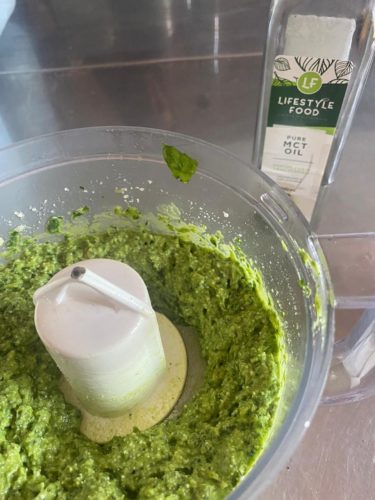
MCT oil should only be used cold, and not for cooking or frying purposes, i.e. in salad dressings and pesto e.g. basil pesto.
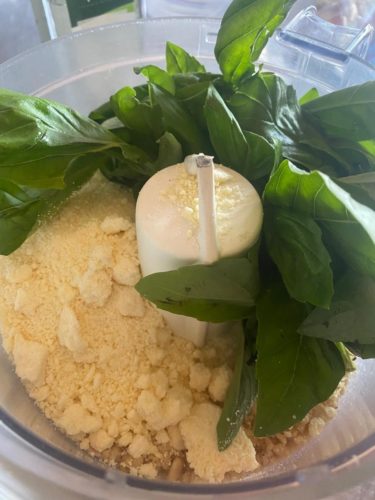
Basil Pesto Recipe
90ml raw, unsalted pine or any other preferred nuts
1-2 cloves of garlic
1 cup (250ml) parmesan cheese
100g fresh basil leaves
200ml MCT oil while the processor is mixing
1 tbs (15ml) lemon juice
Mix all the ingredients together and keep refrigerated. Enjoy on whole grain crackers or mix through cooked baby potatoes or Italian meatballs.
Question 5:
How do I use pilchards or sardines as cheaper sources of omega 3 fatty acids in a tasty way?
Answer 5:
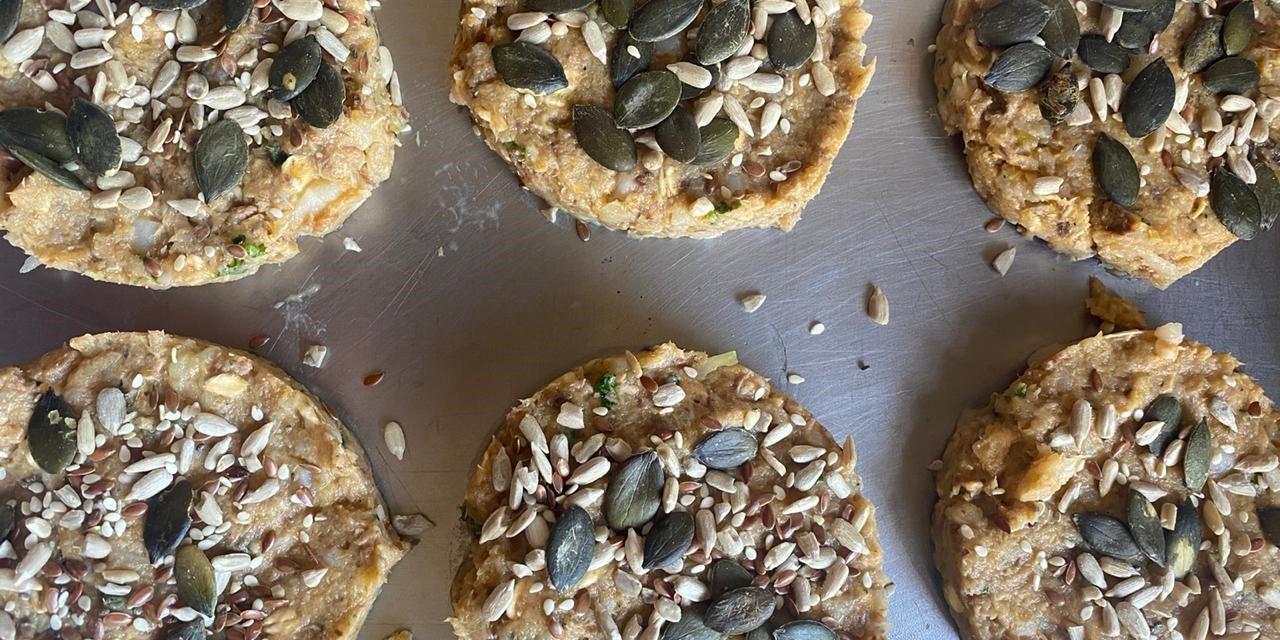
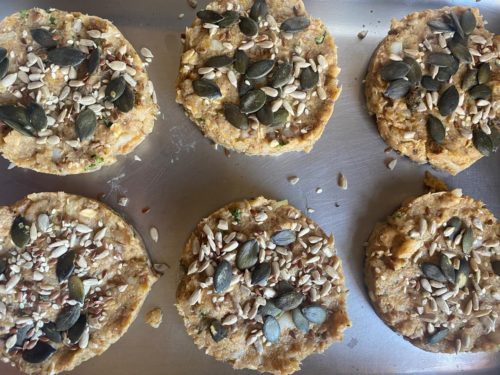
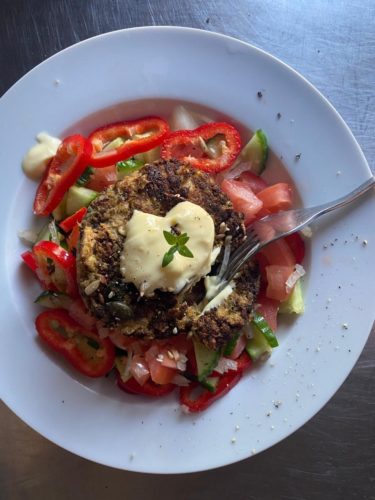
A fish cake or patty is a versatile and quick method of incorporating cheaper fatty fish, e.g. sardines or pilchards in the diet. They can be made in advance and kept in the freezer till needed.
Fish Cakes Recipe
2-3 medium cooked potatoes, sweet potatoes, butternut or a mixture, mashed. Increase the amount if the mixture is still too runny.
1 x 400g tin pilchards or sardines or tuna or salmon
1 onion, grated
4 tbs (60ml) rolled oats
1 tbs (15ml) lemon peel, grated
2 tbs (30ml) lemon juice
1 tbs (15ml) fresh parsley, chopped
1 tbs (15ml) chives, chopped
Salt and pepper to taste
4 tbs (60ml) sesame seeds or seed mix
1 egg
Olive oil for swallow frying (optional)
Mix all the ingredients up to the salt and pepper together, and form into 8-10 cakes. Chill for 10 minutes. Brush the cakes with beaten egg and top with the seeds.
Fry in swallow olive oil or bake in a pre-heated oven till brown. Use the fish cakes as a patty on a whole wheat bun, topped with fresh baby spinach leaves, tomato and cucumber or serve on top of a fresh salad with apple. Drizzle with creamy yogurt and herb dressing.
INCREASE FISH, OLIVE AND AVOCADO INTAKE!

Janet has worked in the field of dietetics for 20 years. She commenced her career in local hospitals, before moving on to the private sector as a private dietitian.
She has also co-authored health recipe books and is currently working at a gymnasium where she specializes in sport nutrition. Furthermore, from time to time she also locums as a dietitian for a prominent rheumatologist in Pretoria. She is married and has three children.