IMMUNITY IN PRACTICE
Vitamins involved in maintaining a strong immune system are carotenoids (vit A), vit C, folate, vit B6, vit B12, vit D and vit E.
 Question 1:
How do I know that the above-mentioned vitamins occur in sufficient amounts in my diet to fight off COVID-19?
Answer 1:
Make sure that your vegetable and/or fruit intake reaches 7-9 servings per day from a variety of sources. One serving equals 1 fruit or a ½ cup (125ml) vegetables or salad.


Question 2:
How do I plan my diet to incorporate 7-9 servings of vegetables and/or fruit per day?
Answer 2:
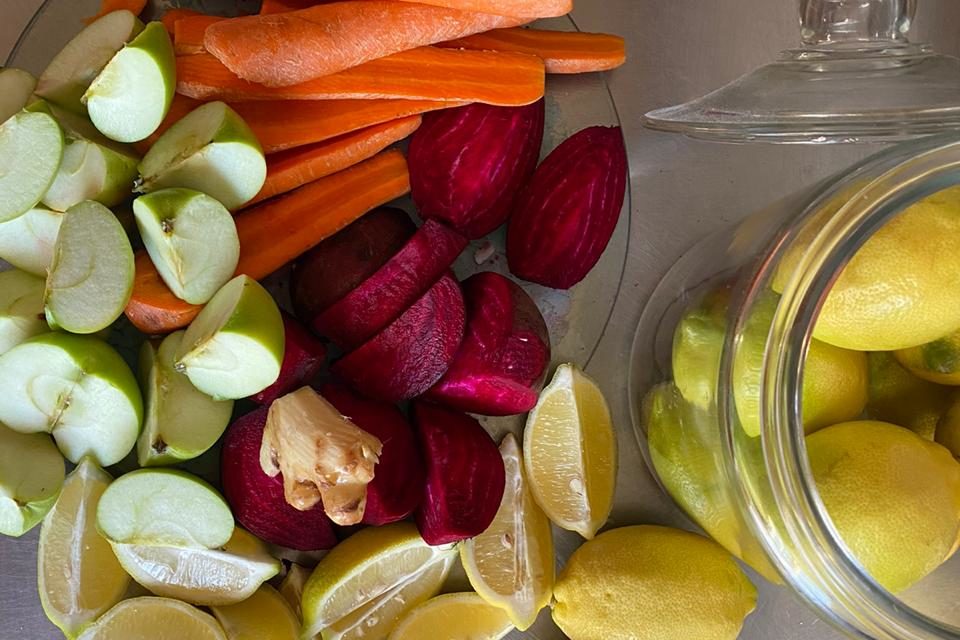
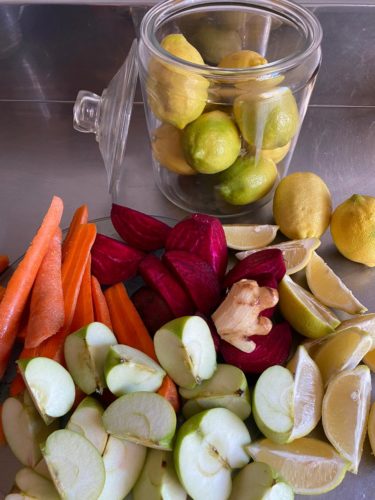
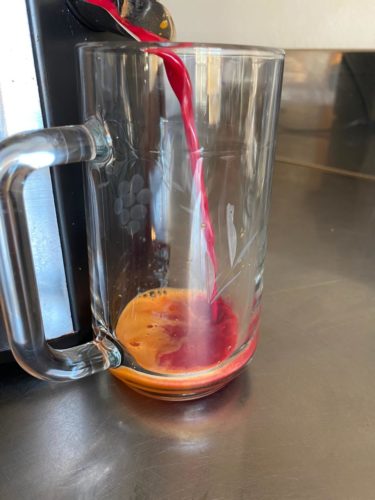
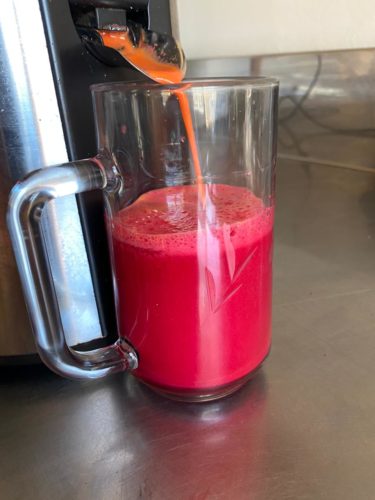
Start the day with a glass of fresh (drink immediately after preparation) vegetable juice containing:
1 carrot
Carotenoids (enhance immune system, reduce symptoms)
Vit C (enhances immune system, decreases viral growth, reduce symptoms)
1 beet root
Nitrate (converted to nitric oxide, toxic defence molecule against infectious organisms)
Folate (enhances immune system)
Vit C (enhances immune system, decreases viral growth, reduces symptoms)
Iron (balanced levels support immune system)
Manganese (reduces inflammation)
Flavonoids e.g. Betalains (antioxidant, anti-inflammatory)
1 apple
Flavonoids e.g. Quercetin (enhances immune system, decreases viral growth, reduces symptoms)
Vit C (enhances immune system, decreases viral growth, reduces symptoms)
1 lemon
Vit C (enhances immune system, decreases viral growth, reduces symptoms)
Flavonoids (antioxidant)
ginger piece
Flavonoids (immune enhancing by increases oxygen levels)
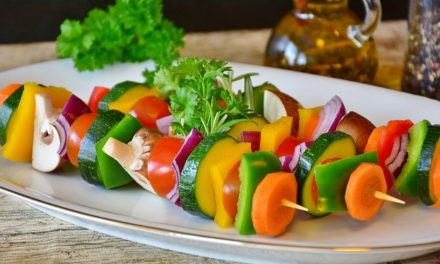
- Incorporate half a plate of green leafy vegetables (spinach, kale, beet greens, micro-greens) and cruciferous vegetables (cabbage, broccoli, cauliflower) at the main meal. Alternate with baby marrows, butternut and green beans.
- Incorporate a fresh salad (baby spinach leaves, “tanned” mushrooms, tomato, cucumber) or vegetable soup at the light meal.
- Eat 2 fruits per day e.g. add fresh berries to soya yogurt and another fruit in season.
Question 3:
Why is the intake of nitrates through beetroot, celery and spinach important in association with COVID-19?
Answer 3:
The COVID-19 virus blocks the Endothelial Nitric Oxide Synthase (Enos) gene that produces nitric oxide in the lungs and blood vessels. This leads to an increase in blood pressure, a decrease in new blood vessel formation and cell death. The body converts the vegetable nitrates into nitric oxide, leading to the relaxation of blood vessels and subsequently to lower blood pressure. This is helpful during the initial response to the virus as well as the repair process. Calcium, vit B2 and iron are co-factors in this process.
Question 4:
What is the role of B vitamins in immunity regarding respiratory tract infections?
Answer 4:
| Folate (Vit B9) | Vit B2 | Vit B6 | |
| Food sources | Green leafy vegetables e.g. spinach, kale etc, legumes, citrus fruit, nuts and seeds, etc | Beef, chicken, fish, eggs, dairy products, cruciferous vegetables e.g. broccoli, spinach etc, whole grain bread and wheat bran | Beef, chicken, fish, whole wheat grains e.g. oatmeal, wheat germ, brown rice, eggs, soya beans and vegetables |
| Effect on immunity | Affects cell-mediated immunity | Affect humoral and cell-mediated immunity | Affect humoral and cell-mediated immunity |
| Effect on respiratory tract infections | Deficiency: 44% higher incidence of respiratory tract infections. | Co-factor for Endothelial Nitric Oxide Synthase (Enos) gene involved in blood pressure and blood vessel formation. | Co-factor for Di-Amine Oxidase (DAO) gene involved in histamine release in the lungs and co-factor in 100 enzymes (oxidative stress) |
| Possible reasons for deficiency | Excessive alcohol intake, insufficient dietary intake, drug interactions: methotrexate, sulfasalazine, phenytoin, malabsorption syndromes e.g. Crohn’s disease, Celiac disease, kidney dialysis | Alcoholism, drug interactions: tricyclic antidepressants, methotrexate, anti-psychotic drugs, probenecid for gout, thiazide diuretics, and doxorubicin (cancer therapy) | Alcohol dependence, drug interactions: isoniazid (TB medication), penicillamine, levodopa and anticonvulsant medication, obesity, pregnancy, malabsorption syndromes e.g. Crohn’s and Celiac disease, Ulcerative colitis, autoimmune disorders (increased B6 breakdown). |
Do not oversee the importance of sufficient B vitamins especially for people suffering from autoimmune disorders. The rule of supplementation is to correct blood levels.
Question 5:
Why is vit D important for immune health and how do I optimize vit D intake?
Answer 5:
The sun is the best source of vit D2 that gets converted by the body to vit D3. Many immune cells have vit D receptors that affect their function after binding, and as such vit D profoundly influences immunity. Vit D deficiency increases the risk for respiratory infection. Research concluded that vit D supplementation can reduce the risk of respiratory tract infections in children and adults. Vit D levels of 50-75nmol/L are considered as the optimal blood level. Food sources rich in vit D are the following:
- Mushrooms is the only vegetable containing ergosterol that can be converted to vit D2 with sun exposure. Make your own vit D rich mushrooms by placing them for a day in direct sunlight (80g or 1 big “tanned” mushroom will provide enough daily vit D for an adult).
- Egg yolks and fatty fish e.g. sardines are good sources of vit D.
- Fortification of vit D is popular especially in parts of the world with little daily sunlight. Cereals and orange juice are popular products for fortification.
Question 6:
Do I need any vitamin supplementation during the time of COVID-19?
Answer 6:
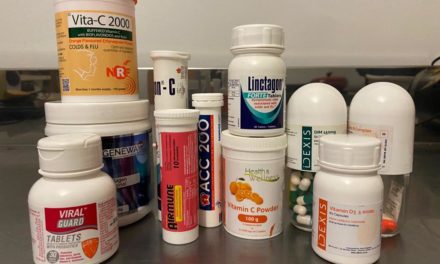
The Institute for Functional Medicine released dosages regarding vit D, vit A and vit C to improve the body’s ability to fight off and recover from the illness:
- Vit D (2000-5000 IU orally, daily) enhances immune system function, reduces viral growth, and can reduce upper respiratory infection.
- Vit A (10 000-25 000 IU, daily) is anti-inflammatory, enhances immune function, and supports the lining of the respiratory tract.
- Vit C (1-3g orally, daily) supports various cellular functions of the immune system.
Question 7:
What is the role of vit E in immune health, and which food sources are high in vit E?
Answer 7:
Vit E is an antioxidant that binds oxygen that can potentially damage lung tissue (oxidative stress). Food sources rich in vit E are nuts (especially almonds), seeds, avocados, vegetable oils and green leafy vegetables. Too much vit E through supplementation can worsen inflammation. Safe upper limit is 1000mg/d or 1000 IU synthetic or 1500 IU natural alpha tocopherol.
SUPPLEMENTATION RULE: MORE, IS NOT BETTER!

Janet has worked in the field of dietetics for 20 years. She commenced her career in local hospitals, before moving on to the private sector as a private dietitian.
She has also co-authored health recipe books and is currently working at a gymnasium where she specializes in sport nutrition. Furthermore, from time to time she also locums as a dietitian for a prominent rheumatologist in Pretoria. She is married and has three children.