IMMUNITY IN PRACTICE
Minerals involved in maintaining a strong immune system are iron, zinc, copper, selenium, chromium, magnesium, and manganese. During a COVID-19 infection, potassium levels decrease and need to be addressed.
Question 1:
COVID-19 alters iron markers, causing nerve damage and secondary bacterial infections. What is the role of iron regarding immunity?
Answer 1:
Balanced iron levels support the immune system through the balancing of heme, from haemoglobin, and the enzyme, Heme oxygenase-1 (HO-1). Last mentioned has important antioxidant, anti-inflammatory, anti-apoptotic, anti-proliferative and immunomodulatory effects in vascular cells.
High iron levels, mostly due to gene mutations (hemochromatosis), worsens inflammation and make some viral infections more deadly because viruses love iron! High iron levels also trigger reactive oxygen species that damage tissues e.g. lungs and DNA.
Low iron levels on the other hand, influence immunity negatively due to lower oxygen binding and availability as well as the absence as co-factor for Endothelial Nitric Oxide Synthase (eNOS), involved in blood pressure and blood vessel formation.
It is important to know your iron status and to correct it to a normal level.
Question 2:
How can I increase my iron levels through dietary intake?
Answer 2:
 Food sources rich in iron are organ meats, red meat, eggs, poultry, fish, white beans, soybeans, lentils, raisins, dried apricots, spinach, and kale. The iron from plant sources is not as easily available to the body as those from animal sources due to the binding of phytates. Vegetarians need to be aware of a possible deficiency.
Vit C enhances the absorption of iron e.g. an orange or a piece of tomato in an iron rich meal. Caffeine or tannin decreases the absorption of iron, meaning that tea and coffee must not be taken directly after an iron rich meal.
Question 3:
What is the role of zinc regarding immune health and can dietary intake be enough to optimize immune health?
Answer 3:
 Zinc affects multiple aspects of the immune system, from the barrier of the skin to gene regulation within lymphocytes. Zinc homeostasis (balance) affects both the innate and adaptive immunity. Zinc deficiency and excess cause severe disturbances in immune cell numbers and activities resulting in an increased susceptibility to infections as well as the development of inflammatory diseases.
Food sources rich in zinc are red meat, poultry, shellfish, legumes, seeds, nuts, dairy, eggs, and whole grains e.g. oats. A balanced diet can provide enough amounts to optimize immune health. Vegetarians again, are likely to become deficient in zinc due to the absence of animal food from their diet and poor absorption. The other reason for supplementation is gene mutations, e.g. Interleukin-1 Beta (IL-1 B), resulting in the inhibition of zinc.
The Institute for Functional Medicine suggests zinc supplementation during the time of COVID-19 of 30-60mg per day to enhance immune system, decrease viral growth and reduce symptoms. Zinc lozenges can be of great value for mouth mucosal maintenance. Always keep in mind that our goal is to reach balanced levels!
Question 4:
What is the role of copper in immune health and when is supplementation necessary?
Answer 4:
Copper supports the immune system through its involvement as co-factor for several enzymes e.g. Di-Amine Oxidase C47T (DAO), involved in the degradation of histamines. When DAO is absent, histamine cannot be cleared which leads to inflammation. Copper also acts as an antioxidant.
A high zinc intake depletes copper levels. For every 15mg zinc, 1mg copper needs to be supplemented. Food sources rich in copper are shellfish, seeds, nuts, organ meats, wheat bran cereals, whole grain products and chocolate.
Question 5:
What is the role of selenium regarding immune health?
Answer 5:
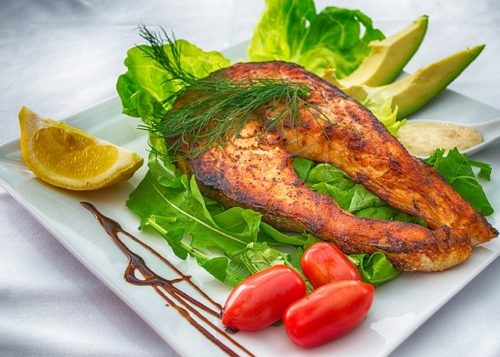 Again, balanced selenium levels are involved in innate and adaptive immunity. Selenium is important for initiating an immune response but is also for preventing an excessive immune response, better known as a cytokine storm. Food sources rich in selenium are brazil nuts, organ meats, meat, poultry, fish, dairy products, eggs, and whole grains. Vegetarians need to calculate their intake of selenium.
Question 6:
The Institute for Functional Medicine reported that potassium levels are dropping during COVID-19 infection. How do I increase dietary potassium intake during a COVID-19 infection?
Answer 6:
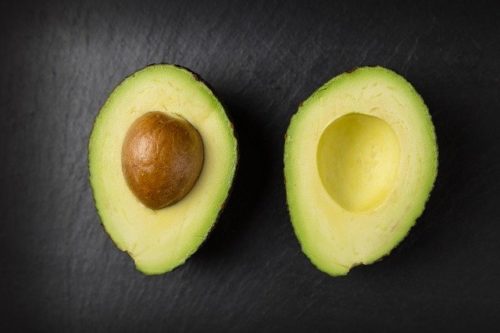 Food sources rich in potassium are avocados, sweet potatoes, baby potatoes, banana, plantain (family from the banana), oranges, grapefruit, some dried fruit e.g. apricots, prunes, raisons, dates, cooked spinach, cooked broccoli, beetroot greens, mushrooms, peas and cucumbers.
Question 7:
“Something sweet” without the use of sugar during lockdown can be a challenging project. How do I use dates, the ideal sweetener due to its low GI and high potassium content, as an ingredient for a snack?
Answer 7:
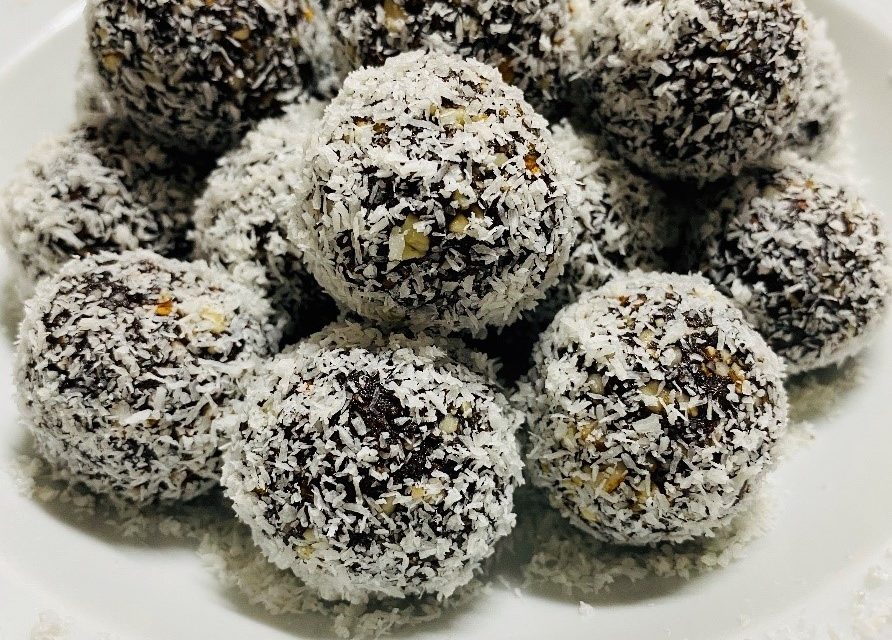
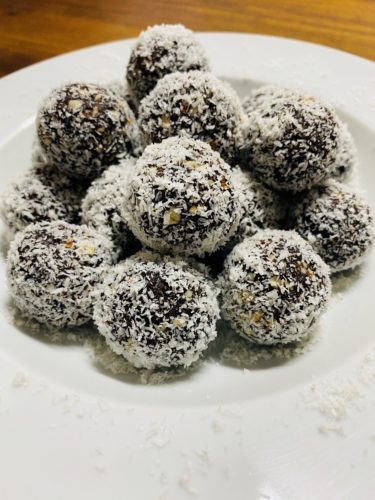 Date balls: (20)
500ml (50) pitted dates, cut
125ml raw unsalted nuts (brazil nuts will increase selenium content)
30ml cacao powder (source of copper)
15ml raw honey
Coconut
Method:
- Heat dates over mild heat in a pan, sprayed with Spray and Cook, softening it with a spoon until it forms one soft mixture.
- Place the nuts and cacao in a food processor and chop until fine.
- Add the soft date mixture and the honey to the mixture and process until mixed.
- Form balls and roll into coconut.
- Place in the fridge to set and enjoy with a cup of coffee or a bowl of rolled oats porridge!
VEGETARIANS NEED TO BE VIGILANT ABOUT THEIR MINERAL INTAKE!


Janet has worked in the field of dietetics for 20 years. She commenced her career in local hospitals, before moving on to the private sector as a private dietitian.
She has also co-authored health recipe books and is currently working at a gymnasium where she specializes in sport nutrition. Furthermore, from time to time she also locums as a dietitian for a prominent rheumatologist in Pretoria. She is married and has three children.