IMMUNITY IN PRACTICE
A deficiency of dietary protein or amino acids has long been known to impair immune function and increase the susceptibility of living organisms to infectious disease. Branched-chain amino-acids as well as Arginine, Glutamine and Cysteine play specific roles in immunity.

Question 1:
In which foods do I find the above-mentioned amino acids, and do I need to take a supplement to strengthen my immune system?
Answer 1:
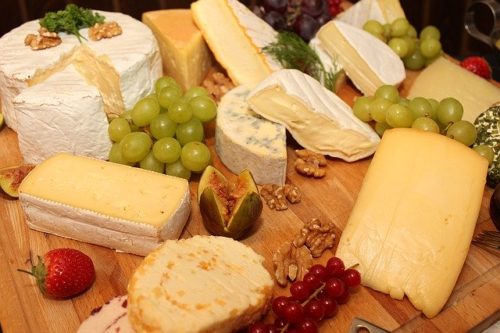
They are naturally found in a variety of protein products, e.g. milk, cheese, cottage cheese, soy products, legumes, seeds, peanuts, nuts, omega 3 rich eggs, low fat beef, chicken and fish as well as some grain products, such as wheat, corn etc. All are needed for a healthy immune system.
Clinical evidence suggests that arginine supplementation may be of value in clinical situations where the immune system is compromised. Supplementation must be taken only in consultation with a health care practitioner. Too much is often more detrimental than too little. Food sources rich in Arginine are seeds, especially pumpkin seeds, nuts, legumes, especially soybeans and all meat products. Incorporate Arginine in the diet, especially during a period of illness.
Question 2:
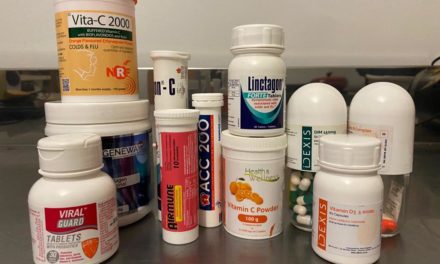
Is the supplementation of N-Acetylcysteine (NAC) in the form of ACC 200 of value to strengthen the immune system?
Answer 2:
NAC (ACC 200) promotes the production of glutathione, the strongest antioxidant produced by the body that supports immune function. Research, published in The Institute for Functional Medicine, regarding the value of NAC in the use against COVID-19, only revealed conditional (low) evidence in this regard. Nevertheless, NAC can reduce the severity of flu with a dose of 600-900mg, 2x daily.
Question 3:
What is the difference between plant-based and animal-based protein regarding immune health?
Answer 3:
| Health markers | Plant-based diet (vegan, ovo-lacto-and pesco-vegetarian (with fish)). | Animal-based diet |
| Effect on microbiome | Increase in Prevotella and microbial diversity connected to larger weight loss and improved health | Increase in Bacteroides, connected to weight loss resistance |
| Effect on inflammatory markers | Anti-inflammatory | Pro-inflammatory |
| Effect on cytokine release | Decrease CRP & IL-6 | Increase CRP & IL-6 |
| BMI & waist circumference | Decrease | Increase |
| Insulin sensitivity | Increase | Decrease |
| HbA1c | Decrease | Increase |
| Deficiencies | Vit B12, Iron, Zinc, vit D and Calcium | Fibre, Magnesium, Folate, vit B1, C and E |
Question 4:
Do I have to omit all animal-based foods to start seeing the advantages of a plant-based diet?
Answer 4:
An epidemiologic study estimated that replacing 3% of animal protein, especially from red meat and eggs, with plant protein, significantly improved mortality rates. This means that only by adding one plant-based protein daily to a habitual animal-based diet, will give significant health improvements. Start slowly and increase gradually.


Question 5:
How do I incorporate more plant-based protein to a family with a habitual animal-based diet?
Answer 5:
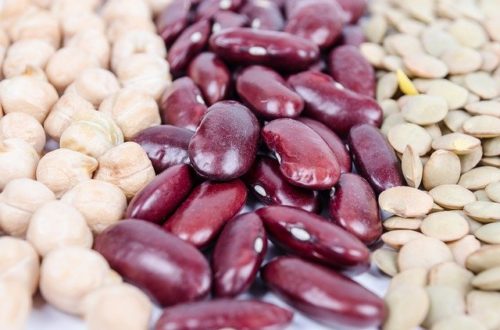
- Incorporate a legume at the main meal’s meat dish, e.g. brown lentils to lean curry mince, butter beans to Thai chicken fillet pieces or a bean salad to grilled fish.
- Incorporate a legume at the light meal by means of a salad, soup or bread spread.
- Incorporate a plant-based protein at a snack:
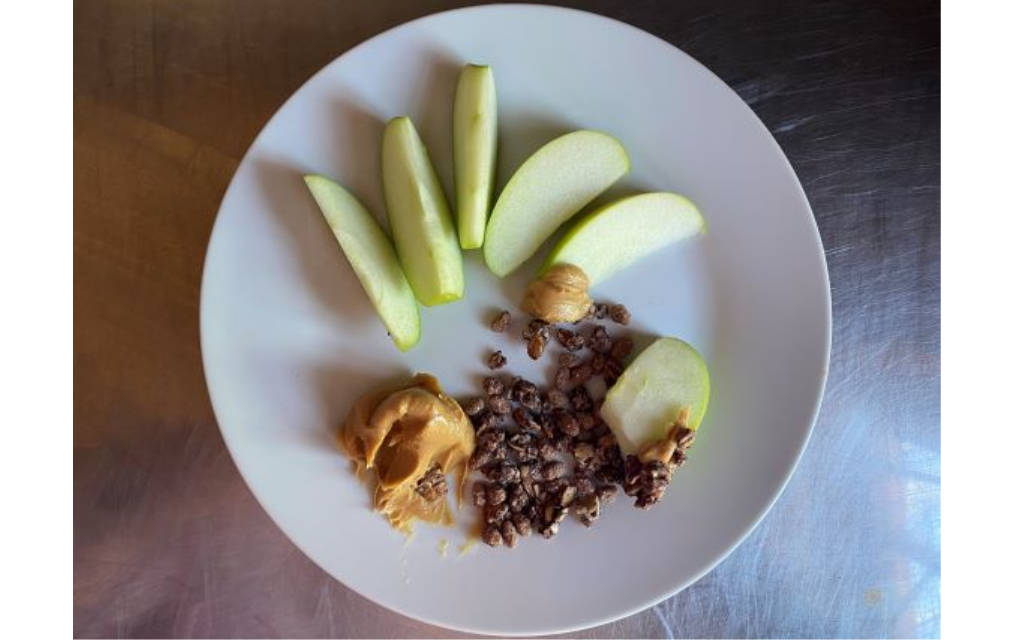
- dip sliced apple with the skin in peanut butter and seeds or chopped nuts
- dip salad ingredients, e.g. cherry tomatoes, cucumber sticks in hummus
- roasted, flavoured chickpeas
- Cook tomato-based sources for pasta, pizza or tortilla chips with red lentils as thickening agent.
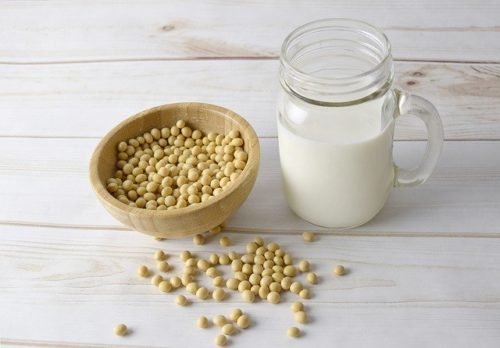
- Incorporate soy products to the diet, e.g. rolled oats cooked in soya milk or soya yogurt with fresh berries.
PREFERABLY PESCO-VEGETARIANISM (with fish)!

Janet has worked in the field of dietetics for 20 years. She commenced her career in local hospitals, before moving on to the private sector as a private dietitian.
She has also co-authored health recipe books and is currently working at a gymnasium where she specializes in sport nutrition. Furthermore, from time to time she also locums as a dietitian for a prominent rheumatologist in Pretoria. She is married and has three children.