 It is with great pride that we introduce renowned dietitian, Janet Wiegand, to you. Janet has worked in the dietetics field for 20 years.
She commenced her career in local hospitals, before moving on to the private sector as a private dietitian. She has co-authored health recipe books and is currently working at a gymnasium where she specializes in sport nutrition. Furthermore, from time to time she also locums as a dietitian for a prominent rheumatologist in Pretoria. She is married and has three children.
Immunity in Practice
Introduction to immunity and diet
Immunity is the body’s fighting mechanism and consists of an innate (born with) and an adaptive (developed through life) response. Where do you start?
How can you contribute to a healthier immune system?
Question 1:
What happens when the body is exposed to a virus?
Answer 1:
The body’s immune system can be triggered in three possible ways:
- An adequate response leading to infection control
- An inadequate response leading to an overwhelming infection or sepsis
- An excessive response leading to a cytokine storm and the possibility of organ failure.
Question 2:
What can you do to strengthen your immune system?
Answer 2:
The immune system is influenced by several lifestyle factors, e.g. healthy diet, regular exercise, adequate good, quality sleep as well as low alcohol and tobacco use.
Question 3:
Where should you start to strengthen your immune system regarding a healthy diet?
Answer 3:
The gastrointestinal track (GIT) is the centre of health. A healthy immune system starts in the GIT with the colonization of positive bacteria. A good quality probiotic is important until your healthy lifestyle is fully on track. Fibre is the food (prebiotic) for the positive bacteria. A high fibre diet leads to the growth and maintenance of the positive bacteria.
Question 4:
How much fibre do you need per day and how can you keep track of your intake?
Answer 4:
An adult needs a daily fibre intake of 25-40g per day, depending on age and sex. Men, under 50 years of age, need 40g per day and women, above 50 years of age, 25g per day. One slice of brown bread, one small apple with the skin or 1/2 cup rice contains only 2g of fibre! An optimal fibre intake does not come easy but needs a focused daily plan.
Question 5:
How do you optimize your daily fibre intake?
Answer 5:
- Do not exclude wheat or gluten if you are not allergic to it. A good dose of probiotics can solve an intolerance in this regard. It is very difficult to reach your daily fibre target without wheat fibre!
- Make a fibre rich food item the centre of each meal. Breakfast is easy in this regard and can consist of rolled oats or a slice of seed loaf. Light meals can either be a soup made from lentils or a legume salad e.g. chickpeas, etc. Main meals need to contain a small (1/4 of a plate) whole wheat starch portion e.g. brown rice, whole wheat pasta, sweet potatoes or corn.
- Use fresh or cooked vegetables, salad or fruit with each meal.
Question 6:
How can you incorporate legumes in a tasty way for the whole family?
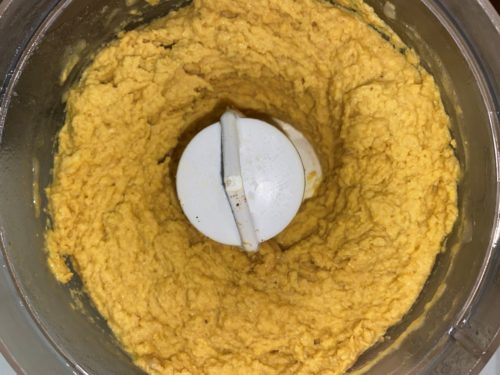 Answer 6: Hummus is a tasty and conservative way to start the family on legumes.
A useful recipe is outlined below.
Enjoy!
Hummus Recipe
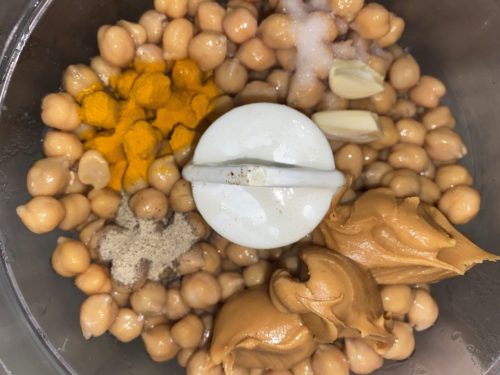 2 tins chickpeas, drained
3 tbs (45ml) Tahini paste or peanut butter
1 tbs (15ml) plain yogurt or MCT oil
3 tbs (45ml) lemon juice
1 garlic glove, chopped
2,5 ml cumin
5 ml salt
2,5 ml white pepper
Mix all together and keep nearby for a healthy snack or meal.
- Substitute half the oil in a recipe, e.g. muffins with butter beans, processed into a puree.
- Use red lentils in a tomato-based pasta or pizza sauce.
THINK FIBRE!


Janet has worked in the field of dietetics for 20 years. She commenced her career in local hospitals, before moving on to the private sector as a private dietitian.
She has also co-authored health recipe books and is currently working at a gymnasium where she specializes in sport nutrition. Furthermore, from time to time she also locums as a dietitian for a prominent rheumatologist in Pretoria. She is married and has three children.